
Neuromodulation Center for Bladder and Bowel Control in Central Illinois

When medications and behavioral treatments have not provided adequate relief from overactive bladder, urinary retention, or fecal incontinence, neuromodulation therapy may offer the lasting solution you have been looking for. The Neuromodulation Center at Premier Medical Urology in Bloomington, IL, offers advanced neuromodulation therapies—including sacral neuromodulation and percutaneous tibial nerve stimulation—to help patients throughout McLean, Livingston, DeWitt, Logan, Woodford, and Tazewell counties regain control and dramatically improve their quality of life. Call
309-663-9424 to learn whether neuromodulation is right for you.



What Is Sacral Neuromodulation?
A minimally invasive therapy that delivers gentle, controlled electrical impulses to the sacral nerves at the base of the spine, which are responsible for regulating bladder, bowel, and pelvic floor function. By retraining these nerves to communicate and respond more normally, sacral neuromodulation restores the connection between the brain and the body that controls everyday function. It is a well-established, reversible, and highly effective treatment for patients whose symptoms have not improved with medication or lifestyle changes alone — and because it does not require major surgery and can be adjusted or reversed over time, it offers a compelling path forward for those who have struggled to find lasting relief.
Conditions Treated With Sacral Neuromodulation
Overactive Bladder
A condition characterized by sudden, uncontrollable urges to urinate, frequent urination, and sometimes involuntary leakage that can be effectively managed with sacral neuromodulation.
Urinary Retention
The inability to fully empty the bladder, which sacral neuromodulation can address by improving nerve signals that coordinate bladder function.
Fecal Incontinence
The inability to control bowel movements, resulting in unexpected leakage of stool, which sacral neuromodulation can significantly reduce or resolve.
Test Phase
A trial period during which a temporary device is used to evaluate how well sacral neuromodulation relieves symptoms before committing to a permanent implant.
Permanent Implant
A small device surgically placed beneath the skin that continuously delivers gentle nerve stimulation, offering long-term relief for patients who respond well during the test phase.
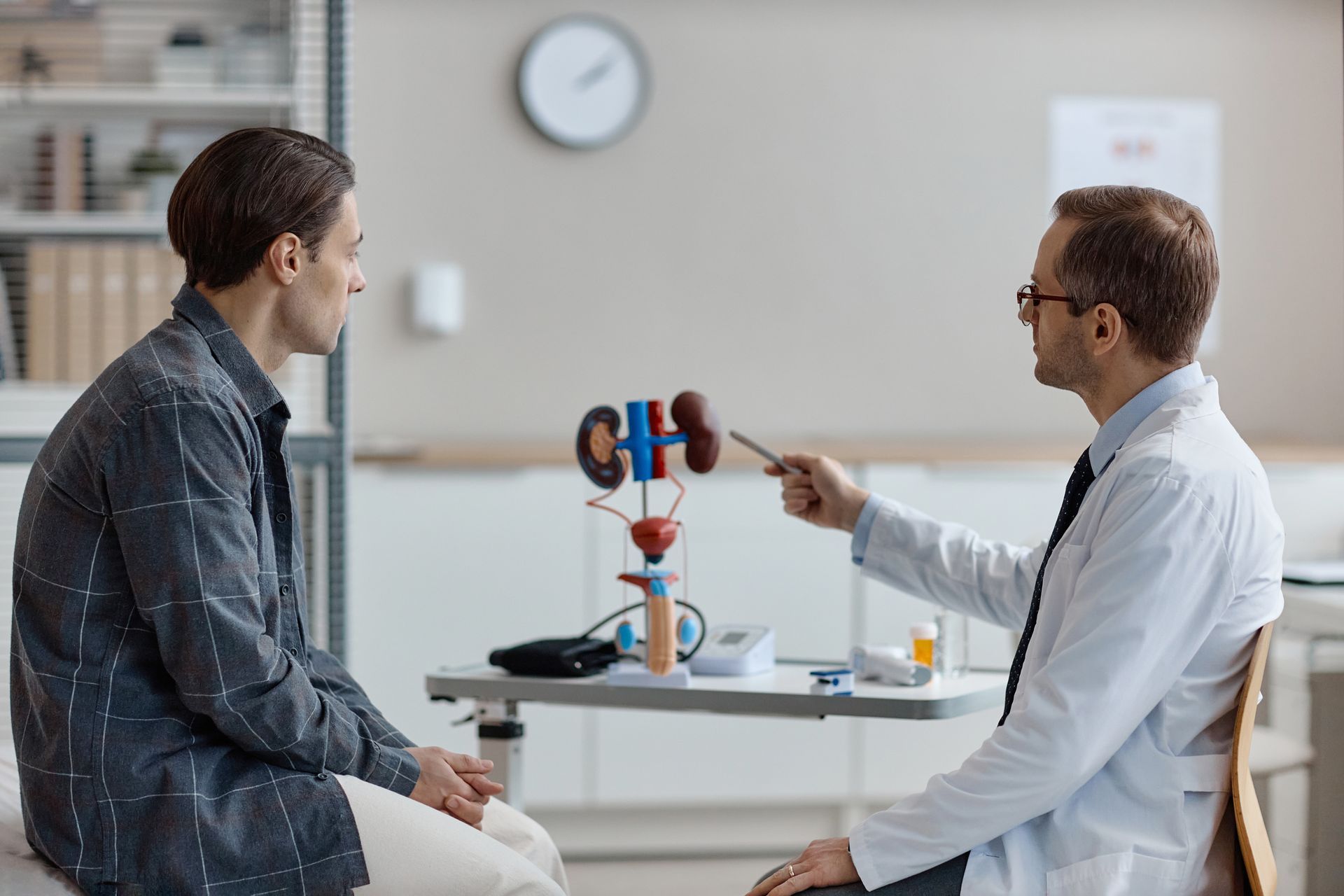
The Sacral Neuromodulation Process
The process begins with a test phase — a minimally invasive trial period during which a temporary lead is placed near the sacral nerves to evaluate how well your symptoms respond to stimulation. This trial typically lasts one to two weeks and allows both you and your physician to assess the therapy's effectiveness before committing to anything permanent. If the test phase demonstrates meaningful improvement, a small permanent device is implanted in a brief outpatient procedure to provide ongoing therapy.
Our Sacral Neuromodulation Technology
Axonics Therapy
A rechargeable, MRI-compatible sacral neuromodulation system featuring a long battery life and a smaller device profile.
InterStim Therapy
A trusted, FDA-approved sacral neuromodulation system with a long track record of clinical success for overactive bladder, urinary retention, and fecal incontinence.
Percutaneous Tibial Nerve Stimulation
PTNS is a minimally invasive, office-based neuromodulation treatment for overactive bladder that requires no surgery or implantation. During each session, a thin needle electrode is placed near the tibial nerve just above the ankle. Gentle electrical pulses travel along the nerve to the sacral nerve plexus, where they modulate the signals controlling bladder function. PTNS is typically delivered as a course of 12 weekly in-office sessions lasting approximately 30 minutes each. Clinical studies demonstrate significant improvement in overactive bladder symptoms in the majority of patients who complete the full treatment course. Periodic maintenance sessions are recommended following the initial course to sustain long-term results.
Treatment Schedule
Typically delivered as twelve weekly in-office sessions, each lasting approximately thirty minutes, with no anesthesia required and no downtime afterward.
Success Rates
Clinical studies show that a significant majority of patients experience meaningful reduction in urgency, frequency, and leakage, with results comparable to medication but without the systemic side effects.
Maintenance Therapy
Patients who respond well to the initial series may require periodic follow-up sessions to sustain long-term symptom relief, with schedules tailored to each individual's needs.
Our Posterior Tibial Neuromodulation Technology
Altaviva
An additional sacral neuromodulation option available at our center for eligible patients.
eCoin Tibial Nerve Stimulation
eCoin is a small, implantable tibial nerve stimulator that delivers continuous neuromodulation therapy for overactive bladder without requiring weekly office visits. For patients who respond well to PTNS but find the ongoing visit schedule burdensome, eCoin offers the benefits of tibial nerve stimulation in a convenient, long-term format. Ask our team whether eCoin may be an appropriate option for your situation.
Schedule Your Neuromodulation Consultation in Bloomington, IL
If overactive bladder, urinary retention, or fecal incontinence is affecting your daily life, your relationships, or your ability to do the things you enjoy, our neuromodulation specialists are ready to help. Effective, lasting treatment is closer than you think.
Call
309-663-9424 to schedule your evaluation at our Bloomington, IL office. Our board-certified urologists will review your history, discuss all available options, and help you find the right path forward. We are proud to serve patients throughout Central Illinois, and new patients are always welcome.
Find lasting relief for bladder and bowel conditions — call Premier Medical Urology at 309-663-9424 in Bloomington, IL.